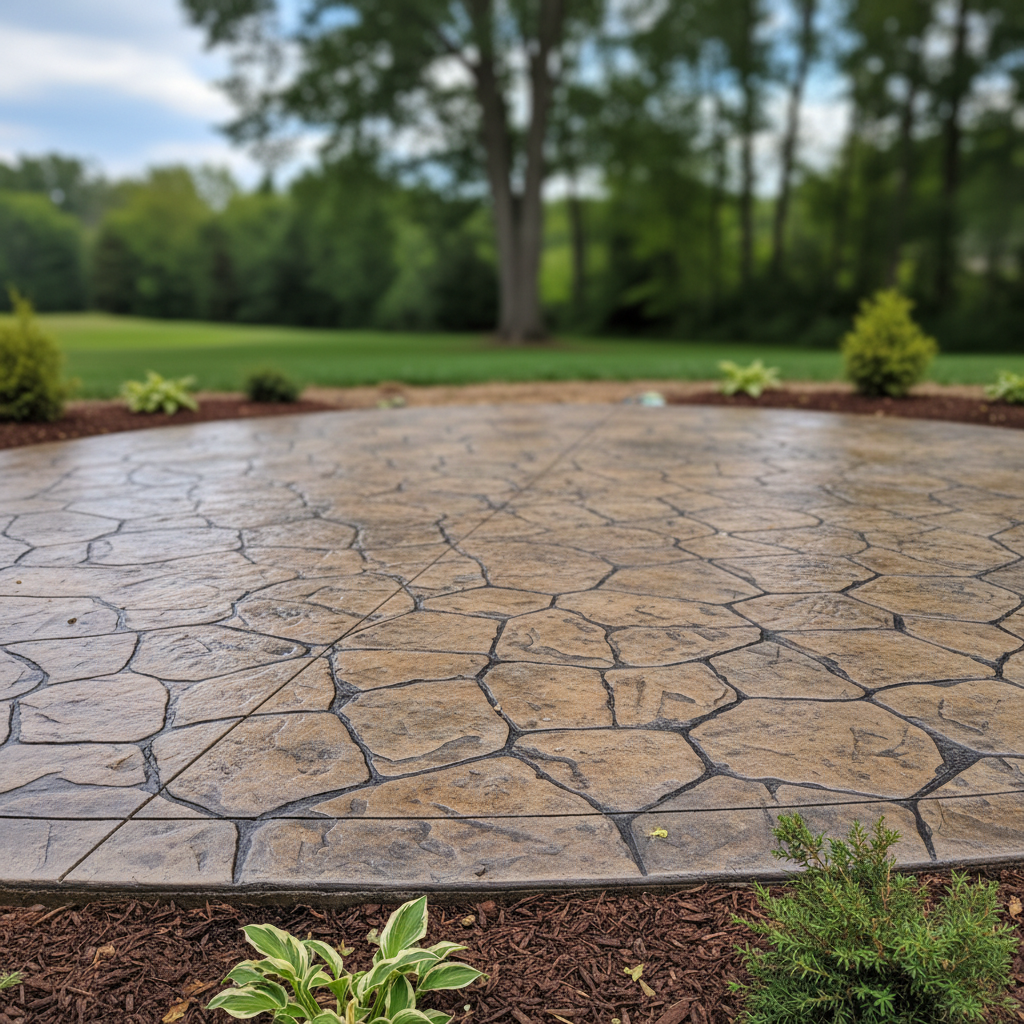
So, you're eyeing up decorative concrete for your place, huh? Maybe it's a new patio, a spruced-up walkway, or even an indoor floor. It's a great choice, really. Way more interesting than plain gray concrete, and tough as nails if it's done right. But here's the deal: a lot of folks see those fancy stamped or stained concrete jobs and think, "Hey, I can do that!" Sometimes you can, sometimes you absolutely shouldn't. Let's break down what you need to know before, during, and after your decorative concrete project.
Before You Even Think About Pouring
First things first, what are you trying to achieve? A simple color stain on an existing, sound concrete slab? Maybe a basic stencil pattern? Or are we talking about a brand new stamped patio with multiple colors and intricate textures? The complexity dictates whether it's a DIY job or if you're calling someone like us at Coastal Concrete.
If you're just staining an existing, unsealed concrete surface, that's probably the most DIY-friendly option. You'll need to clean the surface thoroughly – and I mean *thoroughly*. Any grease, dirt, or old sealer will stop the stain from penetrating evenly, and you'll end up with a splotchy mess. Get yourself a good pressure washer, maybe some degreaser, and spend the time. Then, pick your stain. There are acid stains, water-based stains, and dyes. Each has its own look and application method. Read the instructions, watch some videos, and maybe try a small, inconspicuous spot first.
Now, if you're thinking about stamping, or pouring a new slab that's going to be decorative, pump the brakes. This is where most homeowners get in over their heads. Stamping concrete isn't just about pressing a mat into wet concrete. It's about timing, consistency of the concrete mix, knowing how to apply release agents, and having the right tools – and usually, a crew. You've got to work fast and efficiently, because concrete waits for no one. Especially with our Manchester weather, where a sunny morning can turn into a pop-up thunderstorm in the afternoon, you don't want to be caught off guard with a half-stamped slab.
During the Project: When to DIY, When to Call a Pro
Okay, so you've decided on staining an existing slab. Great. Make sure you've got all your safety gear: gloves, eye protection, and good ventilation if you're working indoors. Apply the stain evenly, usually with a sprayer, and follow the manufacturer's directions for dwell time and rinsing. This part is manageable for most handy homeowners.
But if you're pouring new concrete, decorative or not, there's a lot that goes into it before the truck even shows up. Proper sub-base preparation is critical. You need good drainage, a compacted gravel base, and usually rebar or wire mesh for strength. Here in Manchester, especially in areas with a lot of clay soil, getting the sub-base right is non-negotiable if you don't want cracking and settling down the line. Then there's setting forms, calculating the right amount of concrete, and making sure you have enough hands on deck for the pour itself. Concrete is heavy, and it sets quickly.
When it comes to stamping, you need specialized mats, release agents, and often color hardeners. Applying these evenly and stamping without creating seams or uneven patterns is an art form. It takes practice, and honestly, it's not something you want to learn on your own patio. That's a job for experienced pros who do it every day.
After the Concrete is Down
Whether you DIY'd a stain or hired us for a full stamped patio, sealing is crucial. This is where you protect your investment. A good sealer will enhance the color, protect against stains, and make cleaning easier. For exterior decorative concrete, you'll want a UV-resistant sealer that can stand up to our New England winters – the freeze-thaw cycles here are brutal on concrete. You'll typically need to reapply sealer every 2-5 years, depending on traffic and exposure. It's not a hard job, but it's important not to skip it.
Cleaning is simple: a broom, a hose, and maybe a mild detergent if you have stubborn spots. Avoid harsh chemicals or pressure washing too aggressively, as you can damage the sealer or even the concrete surface itself. If you notice any small cracks, don't panic immediately. Concrete cracks; it's a fact of life. But monitor them. If they start widening or heaving, that's when you might need to call in a pro to assess the situation.
So, can you do decorative concrete yourself? For simple staining or re-sealing, absolutely. For anything involving pouring new concrete, especially stamped or intricately colored work, save yourself the headache, the backache, and the potential for a costly mistake. Call a local concrete contractor who knows what they're doing. You'll be glad you did.