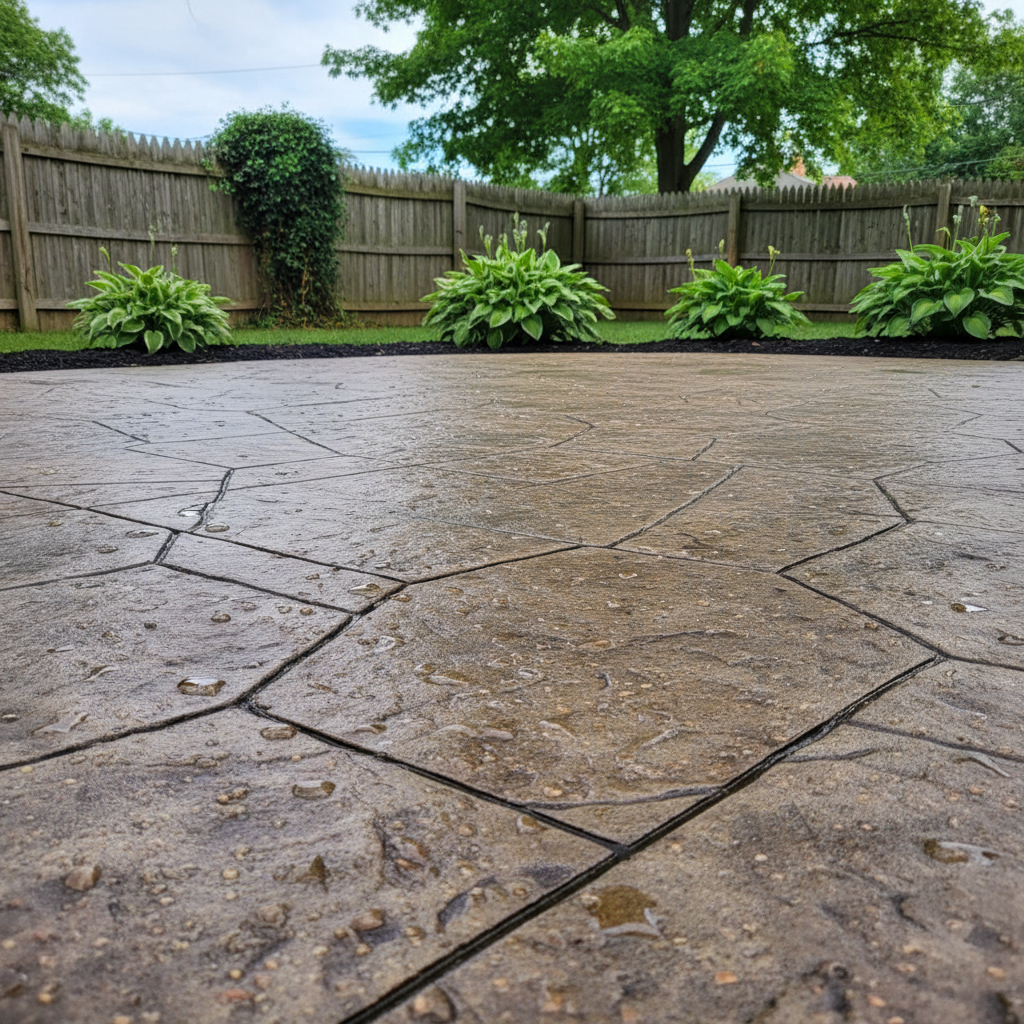
Alright, let us talk about Decorative Concrete. You have probably seen it around Manchester. These are the beautiful patios that look like natural stone. You also see driveways with a subtle, earthy color. It is not just plain gray concrete anymore. Decorative Concrete can really boost your home's curb appeal. When you think about adding some flair to your own place, the big question is always this: can I do this myself, or do I need to bring in a professional?
Before You Start: Planning Your Decorative Concrete Project
Before you even think about mixing cement, you need a solid plan. Decorative Concrete is not just about pouring a slab. It is about creating a look. There are a few main types of Decorative Concrete you will run into:
- Stamped Concrete: This is very popular because it can look like expensive materials. It can look like natural stone as well as brick as well as wood. Our team presses patterns into freshly poured concrete.
- Stained Concrete: This involves putting color that goes into the concrete surface. You can get earthy tones as well as vibrant colors as well as a marbled look. Acid-based stains make varied effects. Water-based stains offer a wider color palette.
- Exposed Aggregate: This finish shows the natural stones or pebbles that are in the concrete. It gives you a textured surface as well as a slip-resistant surface. Exposed Aggregate is great for driveways as well as pool decks.
- Concrete Overlays: If you have an existing concrete slab that has seen better days, but it is still strong, an overlay can give it a brand-new look. These are thin resurfacing systems. They can be stamped as well as stained.
You should think about where this Decorative Concrete is going. Is it a small garden path? Is it a big patio? Or is it your whole driveway? The size and complexity will tell you a lot about whether you can do it yourself. It will also tell you if you should call someone like Coastal Concrete.
DIY vs. Calling a Pro: Where to Draw the Line
Here is the honest truth. Some Decorative Concrete projects are good for DIY. Some Decorative Concrete projects are absolutely not. I have seen many homeowners in Manchester try to do a big job themselves. They end up with a costly mess.
What You Can Realistically DIY
For smaller projects that are not structural, you can definitely get your hands dirty. You can think about these things:
- Small stepping stones or garden accents: You can use molds. You can also use natural elements like leaves to make unique pieces. There are many tutorials out there for simple concrete crafts.
- Concrete staining on existing, small, interior slabs: If you have a small concrete floor inside that you want to make look better, putting on a stain can be a manageable DIY project.
- Faux concrete finishes: Do you want the look without the heavy work? You can paint existing garden statues or decor to look like concrete.
The key here is *small* and *not structural*. If it is just for looks and not holding any weight, you might be okay. If it is not dealing with our tough Manchester freeze-thaw cycles, you might be okay. You will still need to make sure you are mixing properly. You will also need to make sure you are putting on sealers for protection.
When to Call a Professional
For almost anything else, especially outdoors, you are going to want a professional. I am not just saying that because I run Coastal Concrete. Here is why you need a professional:
- Large Areas (Patios, Driveways, Walkways): Pouring concrete is physically hard work. It is also a complex job. Mistakes in mixing as well as leveling as well as curing can lead to expensive failures. A large patio needs proper site preparation. A driveway needs a stable base. It also needs the right concrete mix to handle Connecticut winters.
- Stamped Concrete: This is not a DIY project. It takes special tools as well as skill as well as experience to get those patterns right. It also takes skill and experience to make it look good. The stamps alone can cost thousands of dollars.
- Structural Integrity: If the concrete needs to hold a load, like a driveway or a foundation, there is no room for error. Professionals know about proper reinforcement. This includes rebar as well as wire mesh. They also know about local building codes.
- Longevity and Durability: You want your Decorative Concrete to last a long time. A professional installation makes sure the right methods are used for curing as well as sealing. These methods are important for durability.
- Custom Designs: If you have a specific idea for colors as well as patterns as well as intricate details, a professional has the knowledge. They also have the advanced techniques to make it happen.
I have seen driveways in the North End of Manchester that people did themselves. They cracked within a couple of years. This happened because the sub-base was not prepared correctly. Or the concrete mix was not strong enough for our climate. That is money wasted.
During the Project: What to Expect
If you hire a professional, they will do the heavy work. This usually involves these steps:
- Site Preparation: This means clearing the area. It also means grading. It also means making sure there is proper drainage.
- Forming: This means setting up the boundaries for the concrete pour.
- Pouring and Finishing: This is where the Decorative Concrete magic happens. This includes stamping as well as staining as well as exposing aggregate. They will use the right tools. They will also use the right techniques to get a consistent finish as well as a beautiful finish.
- Curing: This is important for strength as well as durability. They will make sure the concrete cures properly. They often do this by keeping it moist.
If you are doing a small DIY project, make sure you follow the product instructions exactly. This is for mixing as well as application as well as curing. Do not rush it.
After the Project: Maintenance Matters
Once your Decorative Concrete is in, maintenance is important. This is true whether you did a small piece yourself or had Coastal Concrete install a full patio. Maintenance is key to keeping it looking good.
- Cleaning: Regular cleaning removes dirt as well as leaves as well as debris. This stops staining as well as deterioration. A simple hose-down and a soft brush with mild soap usually works.
- Sealing: This is probably the most important step for Decorative Concrete. This is especially true for outdoor Decorative Concrete. Sealers protect against stains as well as UV damage. They also protect against the wear and tear from weather. For outdoor Decorative Concrete in Manchester, you will want to reseal every 2 to 5 years. It helps protect against de-icing salts too.
- Crack Control: Professionals try to keep cracking to a minimum. They do this with proper installation as well as control joints. Concrete can still crack. You should fix small cracks quickly. This stops them from getting worse.
Decorative Concrete is a great way to add value to your home. It also adds beauty to your home. Just make sure you are realistic about what you can do yourself. Do not hesitate to call in the experts for those bigger jobs. This also applies to more complex jobs. It will save you headaches as well as money in the long run.