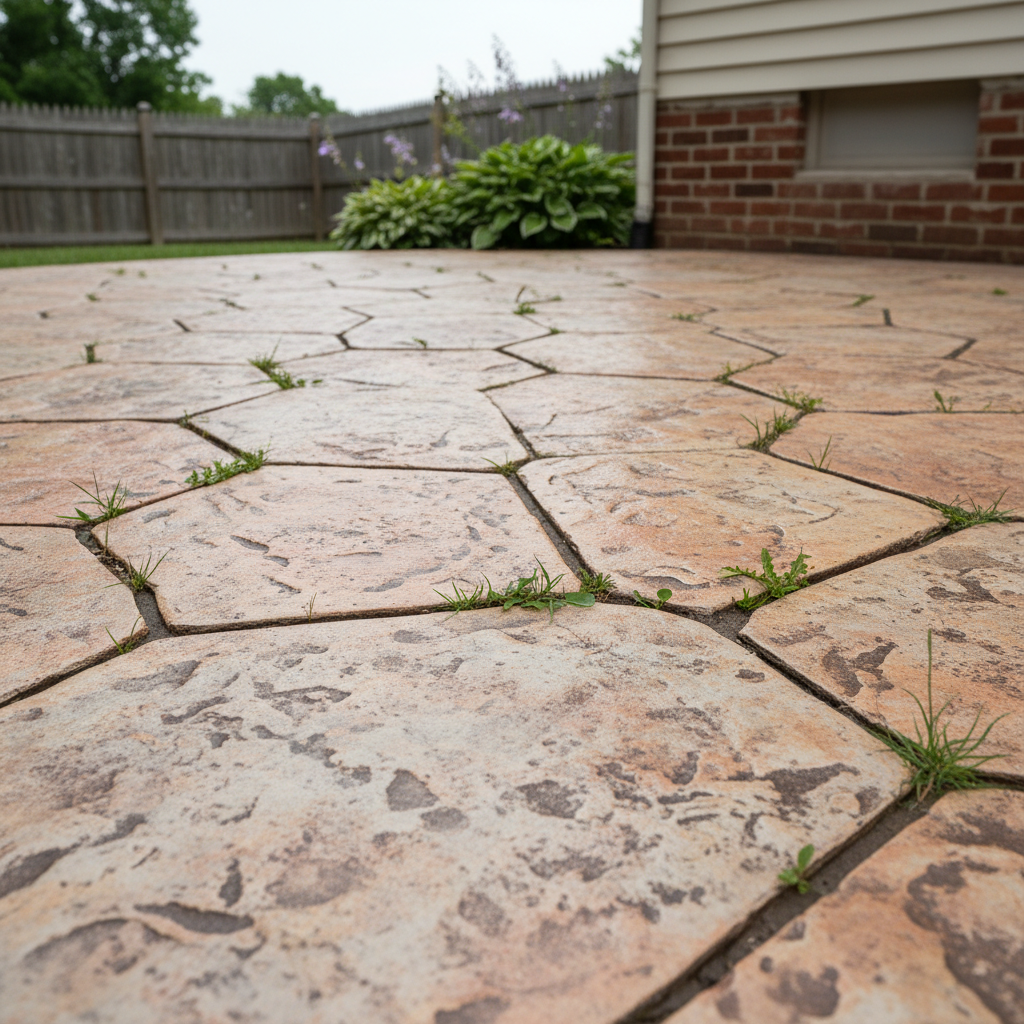
Thinking About Decorative Concrete? Here's the Deal.
So, you're looking at decorative concrete for your patio, walkway, or even your basement floor. Smart move. It's not just gray concrete anymore; this stuff can really transform a space. But before you dive in, let's talk about what's involved, especially for folks right here in Manchester, CT.
First off, what even is decorative concrete? We're talking about stamped concrete that mimics stone or brick, colored concrete that gives you a specific look, or even polished concrete for a sleek indoor finish. It's durable, relatively low maintenance, and can seriously boost your curb appeal or interior aesthetic. But it's not a weekend warrior project for most people, especially if you want it to last.
Before You Even Pour: Planning is Key
This is where you, the homeowner, can do a lot of legwork. Don't skip this part. Think about:
- What look are you going for? Do you want a flagstone patio, a brick-patterned walkway, or a vibrant colored slab? Look at pictures, drive around your neighborhood – see what catches your eye.
- Where's it going? A pool deck needs different considerations than a garage floor. Drainage is huge, especially with our Manchester weather. We get plenty of rain, and if water sits, you're going to have problems.
- Your budget. Decorative concrete costs more than plain gray concrete. Stamping and coloring add labor and material costs. Get a realistic idea of what you're willing to spend.
- Permits. For larger outdoor projects, you might need a permit from the town. Check with Manchester's building department. It's better to know upfront than to get a stop-work order.
Now, about DIY versus hiring a pro. For simple coloring, like adding a dry-shake color hardener to a small, new slab, you might be able to pull it off if you're handy and have experience with concrete. But for anything involving stamping, intricate patterns, or large areas, you're really going to want a professional. The timing for stamping is critical – miss that window, and it's just a lumpy slab. It's not like painting a wall where you can just paint over a mistake.
During the Project: What to Expect
Once you've got your plan and, ideally, a good contractor lined up (like us at Coastal Concrete, for example), here's what happens. For outdoor projects, we'll prep the site. That means excavation, making sure the base is solid, and setting up forms. In some parts of Manchester, especially near the Hockanum River, you might have some clay soil, which means we pay extra attention to proper compaction and drainage to prevent future settling.
Then comes the pour. This is where the magic starts. If it's stamped concrete, we'll pour the concrete, let it set just enough, then apply release agents and press the stamps into the surface. It's a fast-paced process that requires a skilled crew. For colored concrete, we might mix the color directly into the truck, or apply it to the surface and float it in. Polished concrete involves grinding the surface with specialized equipment after it's cured.
Your role during this phase? Mostly staying out of the way and letting the pros do their thing. Ask questions if you have them, but trust the process. Make sure kids and pets are kept clear of the work area. Concrete is messy, and you don't want little footprints in your brand new patio.
After It's Done: Curing and Care
The concrete isn't truly