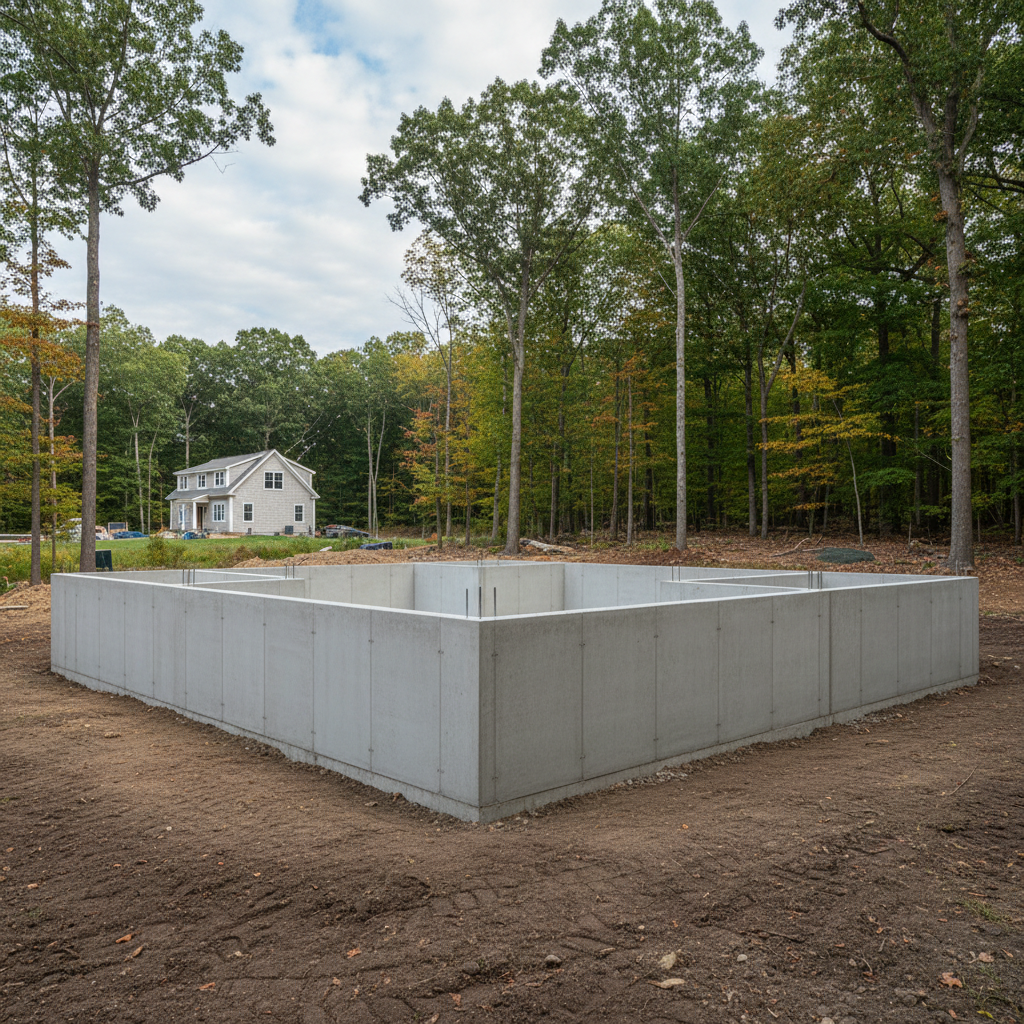
A concrete foundation is the backbone of your home, plain and simple. Get it wrong, and you're looking at headaches, structural issues, and a whole lot of money down the drain. Over the years, working with folks right here in Manchester, I've seen some recurring blunders when it comes to planning or hiring for foundation work. Let's talk about how you can avoid them.
Mistake #1: Skipping the Soil Test (or trusting a guess)
This is a big one, and it's probably the most overlooked. You wouldn't build a house on quicksand, right? But without a proper soil test, you might as well be guessing what's under your proposed foundation. Manchester has some pretty varied soil conditions, from the sandy loams near the Hockanum River to the heavier clays you find more towards the eastern parts of town. These different soil types behave differently under load, and they react differently to moisture.
If your contractor doesn't insist on a soil test, or worse, just eyeballs it and says, "Yeah, looks fine," that's a massive red flag. A geotechnical engineer will take samples, analyze them, and tell you exactly what kind of soil you're dealing with, its bearing capacity, and if there are any issues like high water tables or expansive clays. This information dictates the foundation design – how deep it needs to be, what kind of reinforcement, and even the type of concrete mix. Skipping this step is like building a skyscraper without checking the blueprints. You're setting yourself up for settlement, cracking, and potential structural failure down the road.
Mistake #2: Focusing ONLY on the Lowest Bid
I get it, everyone wants to save a buck. But when it comes to your foundation, the lowest price is almost never the best value. I've seen homeowners jump on a quote that's significantly lower than others, only to find out later why. Maybe the contractor isn't properly insured, doesn't pull the right permits, uses substandard materials, or cuts corners on labor.
Think about what goes into a good foundation: proper excavation, drainage, formwork, rebar placement, the right concrete mix, and expert pouring and finishing. Each of these steps requires skill and attention to detail. A contractor who consistently bids way below everyone else is likely cutting corners somewhere. You need to ask questions: What's included in that price? What kind of concrete are they using? Who's doing the excavation? Are they licensed and insured? Do they have references specific to foundation work? Coastal Concrete, for example, makes sure you understand every line item in our quote, so there are no surprises.
Mistake #3: Ignoring Drainage and Water Management
Water is concrete's worst enemy, especially in our New England climate with its freeze-thaw cycles. A foundation without proper drainage is a ticking time bomb. I'm talking about issues like hydrostatic pressure pushing against your basement walls, leading to cracks and leaks, or water seeping under your slab, causing settlement.
When planning your foundation, you absolutely need to consider how water will be managed around it. This means proper grading away from the foundation, installing perimeter drains (often called French drains), and ensuring downspouts extend far enough away from the house. Don't let a contractor tell you drainage isn't part of their job or that it's "something you can do later." It's integral to the long-term health of your foundation. If you're building a new home or addition, this needs to be thought about from day one, not as an afterthought.
Mistake #4: Not Understanding Permits and Inspections
Building codes exist for a reason: to ensure structures are safe and sound. In Manchester, like any other town, there are specific requirements for foundation construction. Your contractor should be pulling the necessary permits and scheduling inspections at various stages of the project. This isn't just bureaucracy; it's a critical quality control step.
An inspector will check things like the excavation depth, the rebar placement, the formwork, and the concrete pour itself. If your contractor tries to convince you that permits aren't necessary for your project, or that they'll "handle it later," run the other way. Unpermitted work can lead to fines, forced demolition, and huge headaches when you try to sell your home down the line. Always ask to see the permits and make sure inspections are being done.
Mistake #5: Neglecting Foundation Prep and Curing
A good foundation isn't just about pouring concrete. It's about everything that happens before and after. Before the pour, the subgrade needs to be properly compacted and prepared. Any organic material or loose soil needs to be removed. Then you've got your vapor barrier, rebar, and formwork, all needing to be precisely placed.
After the pour, curing is absolutely crucial. Concrete doesn't just dry; it cures through a chemical process that requires moisture. If concrete dries out too quickly, it loses strength and is much more prone to cracking. Especially in our dry summer months or windy days, proper curing – which might involve covering the concrete, misting it, or applying a curing compound – is non-negotiable. A contractor who rushes the prep or ignores proper curing practices is compromising the integrity of your entire foundation.
Your foundation is too important to cut corners or make assumptions. Do your homework, ask tough questions, and choose a contractor who prioritizes quality and transparency. It'll save you a lot of grief and money in the long run.