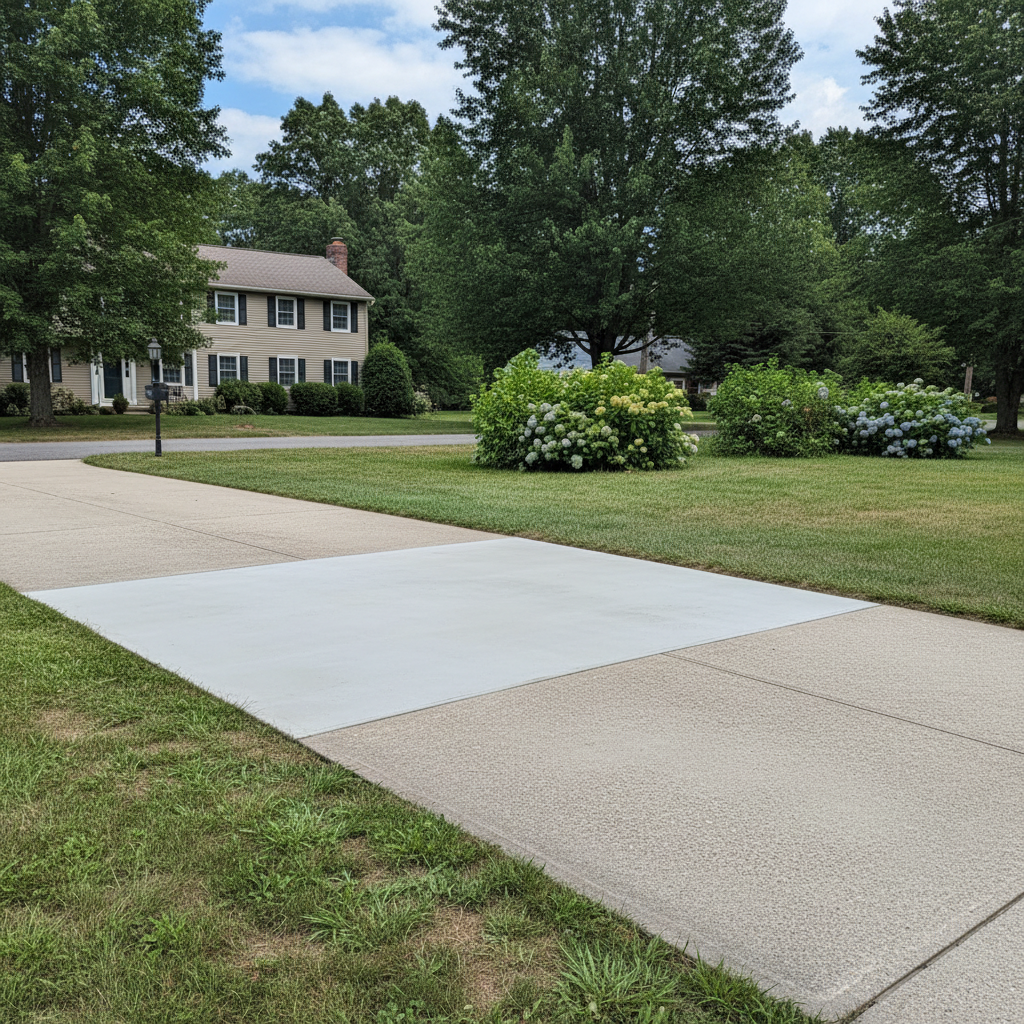
So, you've invested in getting that cracked driveway or crumbling walkway fixed. Good for you! That's a smart move. But here's the thing: concrete repair isn't a 'set it and forget it' deal, especially not here in Manchester, CT. Our climate, with its brutal freeze-thaw cycles and heavy snow, can be tough on even the best concrete work. You want to make sure that repair lasts, right? I've seen too many folks neglect their concrete after a fix, only to call me back a few years later for the same problem. Let's make sure that doesn't happen to you.
Extending the Life of Your Concrete Repair
The biggest thing you can do to make your concrete repair last is to protect it from water. Water is concrete's worst enemy, especially when it freezes. When water seeps into tiny cracks and then freezes, it expands, making those cracks bigger. We call this the freeze-thaw cycle, and it's a real killer for concrete around here. Think about those old sidewalks in the North End or around Highland Park – you see the damage everywhere.
Here's what I recommend:
- Seal it up: After your repair has fully cured (your contractor, hopefully Coastal Concrete, will tell you when this is), apply a high-quality penetrating sealer. This isn't just a surface coating; it soaks in and creates a barrier against water absorption. You'll want to reapply this every 2-5 years, depending on the product and how much abuse your concrete takes.
- Mind the drainage: Make sure water isn't pooling on or near your repaired concrete. If your downspouts are dumping water right onto your driveway, extend them. If you have low spots where puddles form, address them. Good drainage is critical.
- Avoid de-icers with salt: I know it's tempting when we get those icy patches, but rock salt (sodium chloride) and other chloride-based de-icers can really damage concrete, especially newer repairs. They can cause spalling and scaling. Look for de-icers that are concrete-safe, like calcium magnesium acetate (CMA). Sand is always a good, safe option for traction.
What Regular Maintenance Looks Like
Keeping an eye on your concrete doesn't take much time, but it can save you a lot of headaches and money down the road. It's mostly about observation and a little bit of cleaning.
- Clean regularly: Sweep off dirt, leaves, and debris. This prevents organic matter from breaking down and staining the concrete, and it also lets you see the surface clearly. For tougher stains, a mild detergent and a stiff brush usually do the trick. A pressure washer can be used, but be careful not to use too high a pressure, especially on newer or repaired areas, as it can etch the surface.
- Watch for weeds: Weeds growing in cracks aren't just an eyesore; their roots can actually widen those cracks over time. Pull them out as soon as you see them.
- Check for new cracks or spalling: Do a quick walk-around once a month, especially after a heavy rain or a freeze. Look for any new hairline cracks, areas where the surface is flaking off (spalling), or pits. Catching these early means a smaller, cheaper fix.
Warning Signs That Something's Wrong
Your concrete will talk to you if you listen. These are the red flags that tell you it's time to pay closer attention or call in a pro:
- New or growing cracks: A small hairline crack might be nothing, but if it starts getting wider, longer, or if you see a network of cracks forming, that's a problem.
- Uneven surfaces: If one section of your concrete starts sinking or heaving, that's usually a sign of soil settlement issues underneath. This is common in areas of Manchester where we have a lot of clay soil, which expands and contracts with moisture.
- Spalling or scaling: This is when the top layer of concrete starts flaking or peeling off. It's often caused by freeze-thaw cycles, aggressive de-icers, or poor finishing during installation.
- Pitting: Small, shallow holes in the surface can be caused by aggregate popping out or chemical attack.
- Discoloration or efflorescence: While sometimes just cosmetic, persistent white powdery residue (efflorescence) can indicate water moving through the concrete.
When to Call a Professional
Look, I'm all for DIY, but some things are best left to the experts. If you see any of those serious warning signs – significant cracking, uneven sections, or widespread surface damage – it's time to pick up the phone. Don't wait until it's a huge, expensive problem. A small issue caught early can often be repaired relatively easily. If you're unsure, just give us a call at Coastal Concrete. We're happy to take a look and give you an honest assessment. Sometimes it's a simple patch, other times it's a sign of a bigger structural issue that needs proper attention. Better safe than sorry, right?