Do I really need a concrete sidewalk? Can't I just use pavers or gravel?
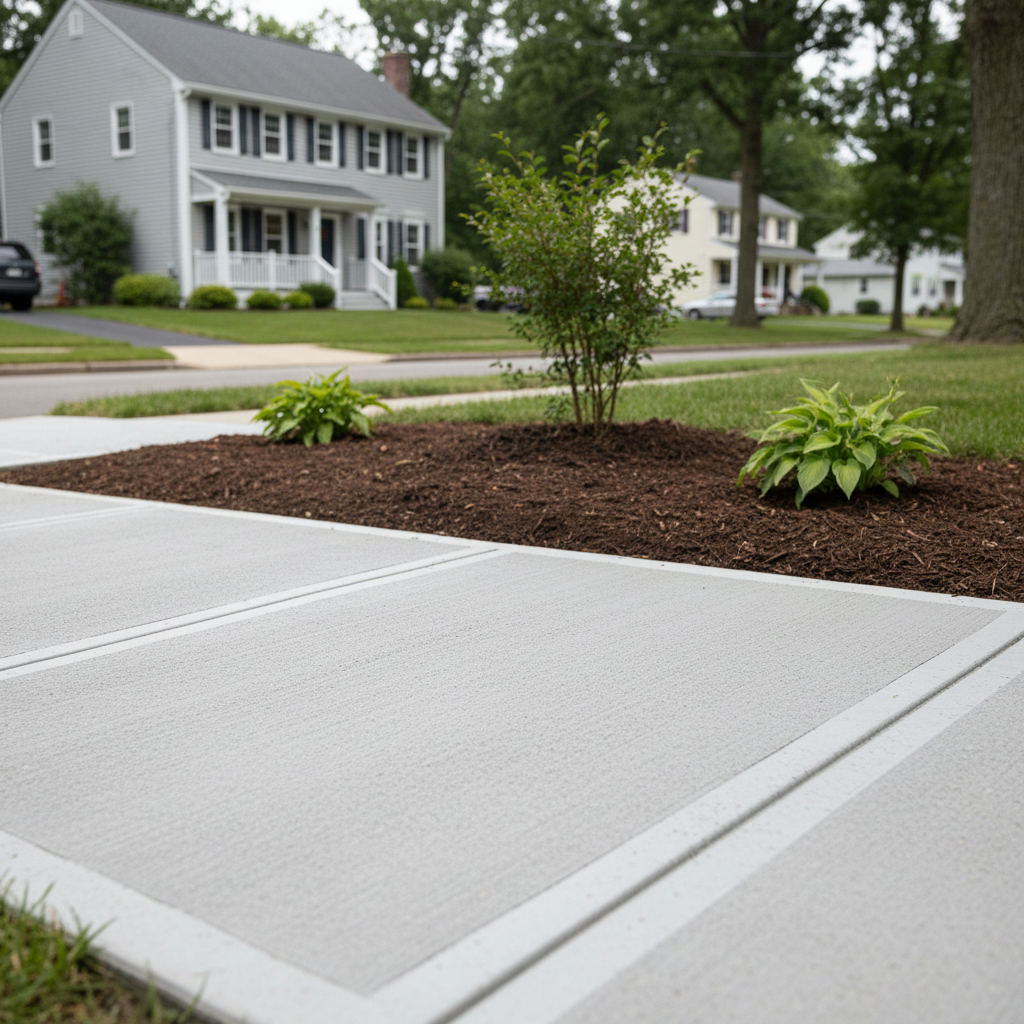
Look, you can do whatever you want on your own property, but let's be real about sidewalks for a second. Concrete is the standard for a reason. Pavers? Sure, they look nice, but they shift, they settle unevenly, and weeds just love to sprout between them. You'll end up doing a lot more maintenance, believe me. Gravel? Forget about it. It spreads everywhere, it's uneven to walk on, and it's a total nightmare if you're trying to shovel snow or use a snowblower. If you want a durable, low-maintenance, accessible surface that'll actually last decades, concrete is simply the best choice. It's safe, it's solid, and it holds up to our Manchester winters.
What causes cracks in my concrete sidewalk? Is it always a big deal?
Cracks are almost inevitable with concrete over time, especially here in New England. Our freeze-thaw cycles? Brutal. Water gets into tiny pores, freezes, expands, and pushes the concrete apart. Tree roots are another huge culprit, particularly if you've got mature maples or oaks near your walk. Poor sub-base preparation when it was poured, or just plain old age, can also lead to cracking. Now, not every crack is an emergency. Hairline cracks? Those are usually just cosmetic. But if you've got wide cracks (we're talking a quarter-inch or more), significant lifting, or sections sinking, that's when you really need to pay attention. Those become tripping hazards, and they can point to bigger issues with the ground underneath.
How long does a concrete sidewalk typically last in Manchester, CT?
A well-installed concrete sidewalk, done right from the start with a proper sub-base and a good concrete mix, should easily last you 20 to 30 years, maybe even more. I've actually seen some sidewalks in older parts of Manchester, like around the Cheney Brothers Historic District, that are still kicking after 50 years, though they might show their age a bit. The key is proper drainage, good installation, and a little bit of basic care. If it's poorly installed or constantly exposed to harsh chemicals, that lifespan drops significantly.
Can I just repair a section, or do I need to replace the whole thing?
It really depends on the damage. If it's just a small, isolated crack or a minor spall (that's surface flaking), sometimes a patch or crack filler can do the trick for a while. But if you've got multiple large cracks, significant heaving, or sections that have completely sunk or lifted, trying to patch it up is often just a temporary fix. You'll end up spending money on repairs that don't last, and you'll still have an eyesore and a tripping hazard. For widespread damage, especially if the sub-base is compromised, a full replacement of that section or the entire walk is usually the more cost-effective and safer long-term solution. We can often remove and replace just a damaged slab or two without touching the whole run, which saves you money.
What's the deal with sealing concrete sidewalks? Is it really necessary?
I always recommend sealing your concrete sidewalk, especially here. Think of it like sunscreen for your concrete. A good quality penetrating sealer helps protect it from water absorption, which is your biggest enemy with those freeze-thaw cycles we get. It also helps resist stains from oil, leaves, and other gunk, and can even slow down surface erosion from de-icing salts. You don't need to do it every year, but every 2-5 years, depending on the sealer and how much traffic it gets, is a good idea. It's a small investment that can really extend the life and look of your sidewalk. Coastal Concrete uses sealers designed to stand up to our local conditions, by the way.
How much does a new concrete sidewalk cost in Manchester?
That's the million-dollar question, right? It's tough to give an exact number without seeing the job, but I can tell you what goes into it. Factors like the total square footage, how much old concrete needs to be removed, the accessibility of the site (can we get equipment in easily?), and any special considerations like slopes or curves all impact the price. Generally, you're looking at a per-square-foot cost that includes excavation, sub-base prep, concrete, and finishing. Expect to pay more for things like colored concrete or special finishes. The best way to get an accurate number is to get a few quotes from reputable local contractors. Don't just go for the cheapest bid; make sure they're talking about proper depth, rebar or mesh, and good drainage. You get what you pay for with concrete.
Are there any town regulations in Manchester, CT I need to know about for my sidewalk?
Absolutely. If your sidewalk is on your private property, you generally have more leeway, but if it's bordering a public right-of-way, like along Main Street or even in a residential neighborhood, the town of Manchester has specific requirements. They'll have rules about setbacks, width, and sometimes even the type of material. You might need a permit for new construction or significant repairs, especially if it involves digging near utility lines. It's always best to check with the Manchester Department of Public Works or the building department before you start any major work to avoid headaches down the road. A good contractor like us will usually handle the permit process for you, but it's good for you to be aware.